



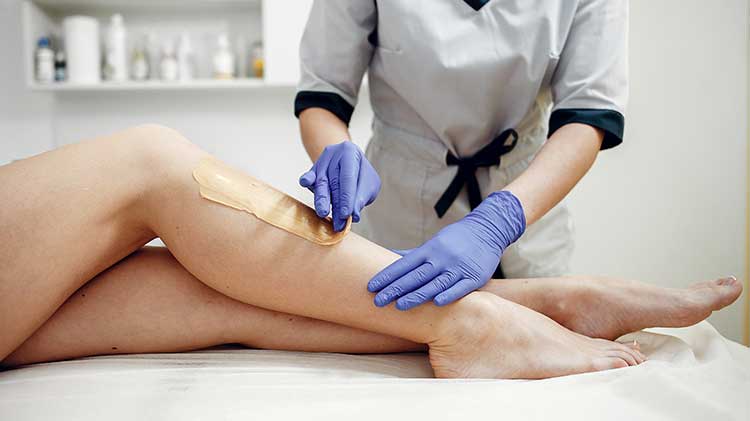
You need to be confident in your swimwear when you go to the beach, and a lot of people get a Brazilian wax as part of their prep. Waxing opens up microscopic areas around each hair follicle, which makes the skin feel smoother than a quick shave. These tiny openings seal quickly, but if you rush from the table to the towel, sand, sun, and salt can bother them. You may enjoy the beach without getting red or bumpy skin if you know how long it needs to settle and how to treat it. In the next parts, you’ll find tips on when to do things, how to get ready for waxing, how to take care of yourself afterward, and technical information about how to help your follicles heal. Read on, and instead of last-minute uncertainties, pack your beach bag with sensible assurance.
How A Brazilian Wax Affects Your Skin Health
When warm wax pulls hair from the root, it also removes a wafer-thin layer of dead skin. This “stratum corneum” usually shields living cells below. For about 24 hours after waxing, that barrier is thinner, and sweat glands work overtime to cool the area. Histamine—your body’s itch chemical—often rises, so mild tingling is normal. A Brazilian removes anagen-phase hairs, which are still attached to the blood supply, leaving roughly 1 mm-wide pores until epithelial cells tighten the opening. Because those cells regenerate every eight hours, most people regain full protection within two days. However, friction from swimsuits or gritty sand can enlarge pores again, creating a pathway for bacteria called Staphylococcus epidermidis. That is why smart timing and gentle fabrics matter as much as the waxing itself.
Ideal Timing Between Wax Session And Beach Day
The sweet spot for most first-time clients is 48–72 hours. During this window, sebaceous glands restore their light oil film, keratin plugs reform, and redness fades. If you are a seasoned wax client with slower regrowth, 24 hours may work, but only when the water is calm—think poolside lounging rather than snorkeling. Plan sessions earlier in your menstrual cycle, when estrogen keeps skin thicker and pain thresholds higher. A last-minute appointment on the day you depart shortchanges healing and boosts swelling risk during a long car or plane ride. In short, book the wax early in the week and hit the shore on the weekend. Your follicles and your travel photos will thank you.
Managing Sensitivity And Preventing Post-Wax Irritation
Hormones, moisture, and heredity all affect everyone’s skin’s “reactivity index.” Drinks with a lot of caffeine or other stimulants increase blood flow faster and make tissues more sensitive. So, on wax day, drink water instead of coffee. Don’t work out hard for 24 hours. Your body heat will keep your pores open. Stop using topical retinoids or alpha-hydroxy acids on the bikini line three days before and three days after the session, since they make the stratum corneum even thinner. Taking antihistamines an hour before can help with itching without making nerve signals less strong, like pain medicines do. Most importantly, stay away from tight lace or sequinned swim bottoms shortly after waxing. The increased friction can cause folliculitis, a small but irritating bacterial illness.
Essential Pre-Wax Tips For Smooth, Safe Results
Follow these simple checks the night before and the morning of your appointment:
- Exfoliate gently with a soft washcloth to lift trapped hairs.
- Trim long strands to a rice-grain length; longer hairs pull harder.
- Skip heavy lotions so wax can grip the hair, not residue.
- Wear loose cotton underwear to the studio for easy post-wax comfort.
- Arrive clean and dry, avoiding deodorants or oils on the area.
These steps help wax adhere evenly and release cleanly, which reduces tugging on the epidermis. Uniform pull means fewer broken hairs left at the root, lowering the chance of ingrowns. Good prep also lets technicians keep wax temperature lower because heat does not need to melt through extra product layers—another plus for sensitive skin.
Post-Wax Care Steps That Keep Skin Calm
The first 48 hours set the tone for a bump-free holiday. Treat the area as you would a mild scrape:
- Cool compresses for ten minutes ease swelling.
- Fragrance-free aloe gel adds moisture without an alcohol sting.
- Loose clothing prevents chafing; ditch synthetic blends.
- No sun or tanning beds for at least a day.
- Avoid chlorinated pools and sandy volleyball until redness fades.
For stubborn irritation, dab 1% hydrocortisone no more than twice in 24 hours. Overuse can thin skin, so limit applications. If you see white-tip pustules, cleanse with mild antibacterial soap and apply warm compresses; they will most likely clear within 48 hours. Remember, your body is closing over 3,000 follicle openings during this period—give it space, and smoothness will last long past the first splash.
Understanding Follicle Recovery And Minor Infection Risks
Hair follicles are tiny yet complex. After wax removal, the inner root sheath retracts, and epithelial cells start bridging the opening. This phase reaches peak speed around 18 hours, with full closure near 72 hours. Entering the ocean too soon introduces Pseudomonas and salty debris that can lodge in half-closed follicles, sparking “sea-bather’s eruption,” a mild rash of itchy red dots. Though rare, it highlights why timing matters. If you must swim sooner, apply a thin coat of zinc-oxide barrier cream first; it repels water and forms a temporary seal. Also, rinse with fresh water right after leaving the sea and pat—not rub—dry. These small steps keep opportunistic microbes from turning a grooming choice into an itchy distraction.
What To Expect From Your First Wax Session
New clients often fear unbearable pain, yet the reality is more a sharp pinch followed by warmth that fades in seconds. Technicians usually work in sections, applying wax with hair growth and removing it against the hair growth. A full Brazilian takes 20–30 minutes. Expect mild redness shaped like the wax strips, and perhaps pinpoint bleeding where thick hairs were rooted. This is normal and stops quickly. Hairs grow in three phases; only those in the active phase come out completely, so a few “baby” hairs may remain. Do not pluck them—they will align with the next growth cycle. Your technician may finish with a soothing serum containing azulene or chamomile to quiet the skin without clogging follicles.
Choosing A Skilled Technician Matters More Than Price
Licensing, hygiene habits, and product quality separate safe sessions from risky ones. Look for a license displayed openly and new wooden sticks for every wax application—double-dipping spreads microbes. Hard wax formulated for sensitive areas lowers the pull on live skin cells and adheres mainly to hair. A seasoned technician can keep wax below 105°F, enough to flow but not hot enough to burn. They will stretch skin gently to avoid tearing and will talk you through breathing for each pull. Paying a few extra dollars for this expertise saves far more in potential dermatologist bills later. Remember, cheap wax often means reused pots, hurried technique, and higher odds of post-procedure issues.
Final Thoughts Before You Pack The Sunscreen
A Brazilian wax before a beach holiday is safe when timed wisely and cared for properly. Give your skin at least two days to calm, follow simple prep and after-care, and choose an expert who values hygiene over haste. Smooth results will outlast your trip, leaving only good memories in photos and on warm sand. If you’re ready for carefree confidence, Bonnie Cruz Esthetics is here with gentle hands and trusted technique to help you greet the waves with ease.

